
Blog

The Timeless Appeal of Jeans: A Wardrobe Essential by Stylofe

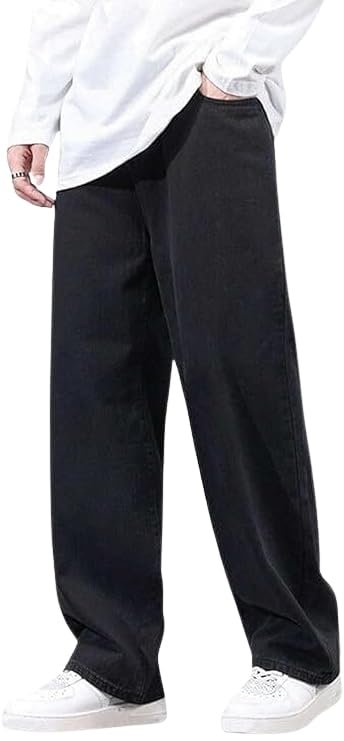
Jeans are more than just a piece of clothing — they are a cultural symbol, a fashion staple, and a go-to outfit choice for millions around the globe. From their rugged roots as durable workwear to their current status as high-fashion icons, jeans have evolved dramatically over the years. At Stylofe, we understand the enduring charm of jeans and are committed to bringing our customers the best in quality, comfort, and style. The History of Jeans: From Workwear to Runway The origin of jeans dates back to the late 1800s when Levi Strauss and Jacob Davis patented riveted denim trousers for miners and laborers in the American West. Built to last, these pants quickly became popular for their durability. By the mid-20th century, jeans were embraced by youth subcultures and rebels, becoming a symbol of non-conformity and freedom. Today, jeans are universally worn by people of all ages, cultures, and walks of life. Whether dressed up with a blazer or paired down with a tee, jeans offer endless styling possibilities. Why Jeans Remain Popular So, what makes jeans such a timeless piece? Here are a few reasons: 1. Versatility Jeans can be worn to virtually any occasion. Whether you’re heading to work, meeting friends, or going out for dinner, the right pair of jeans can fit the bill. 2. Comfort Thanks to advances in fabric technology, modern jeans now offer stretch, breathability, and softness, making them comfortable for all-day wear. 3. Durability High-quality jeans, such as those offered by Stylofe, are built to last. With proper care, a good pair of jeans can remain a staple in your wardrobe for years. 4. Fashion Flexibility From skinny to wide-leg, high-rise to low-rise, distressed to clean-cut — there is a pair of jeans for every body type and fashion sense. They allow for creative expression and personal style. Types of Jeans and How to Choose Choosing the right pair of jeans can be overwhelming due to the variety available. Here’s a guide to help you pick the best style for your needs: 1. Skinny Jeans These are fitted through the hips and thighs and taper down to the ankle. Ideal for creating a sleek silhouette, they pair well with oversized tops or jackets. 2. Straight-Leg Jeans A classic cut that falls straight from the hip to the hem. These are a great option for a timeless look and suit most body types. 3. Bootcut Jeans Wider at the ankle, these jeans are perfect for pairing with boots or heels. They add balance to wider hips and can give the illusion of longer legs. 4. Boyfriend Jeans Known for their relaxed fit and slightly baggy silhouette, boyfriend jeans are a trendy and comfortable option, especially for casual outings. 5. High-Waisted Jeans Offering both comfort and style, high-waisted jeans help define the waistline and create an hourglass figure. Perfect for tucking in shirts or wearing with cropped tops. 6. Flared Jeans Making a comeback from the 70s, flared jeans add drama and a retro vibe to any outfit. Pair with platform shoes for an ultra-chic look. How to Style Jeans for Every Occasion Styling jeans is easy once you understand the basic dos and don’ts. Here are a few style tips to elevate your denim game: Casual Look Pair distressed jeans with a simple graphic tee and sneakers. Add a denim jacket for a trendy double-denim look. Work-Appropriate Choose dark-wash or black jeans and pair them with a crisp shirt or blouse. Add a blazer and loafers to complete the office-friendly outfit. Date Night Opt for skinny or straight-leg jeans, a silk top, and heels. Accessorize with statement jewelry and a clutch for a polished look. Weekend Vibes Go for boyfriend jeans, a relaxed tank top, and sandals. Throw on a sunhat or shades for the perfect laid-back vibe. Taking Care of Your Jeans To ensure your jeans stay in great shape, follow these care tips: At Stylofe, we also provide care instructions with each pair of jeans to help you maintain their quality and longevity. The Stylofe Promise: Quality, Fit, and Sustainability When you shop for jeans at Stylofe, you’re not just buying a pair of pants — you’re investing in craftsmanship and responsible fashion. We focus on three core values: 1. Quality We use high-grade, sustainable denim and advanced stitching techniques to ensure every pair stands the test of time. 2. Fit We understand that every body is unique. Our jeans come in a wide range of sizes, cuts, and lengths to cater to all shapes and preferences. 3. Sustainability Fashion shouldn’t cost the planet. That’s why Stylofe prioritizes eco-friendly manufacturing processes, including water-saving dye techniques and ethical labor practices. Latest Denim Trends in 2025 Fashion is always evolving, and denim trends are no exception. Here’s what’s hot in 2025:
Blog

The Everlasting Appeal of Shoes: Style, Comfort, and Innovation with Stylofe

Shoes are more than just a necessity; they are a powerful expression of personal style and identity. From the rugged durability of hiking boots to the sleek elegance of formal dress shoes, footwear shapes how we navigate the world, blending function with fashion. In the ever-evolving world of shoes, brands that combine innovation, comfort, and style stand out — and Stylofe is a name that perfectly encapsulates these qualities. The Importance of Shoes in Daily Life Shoes protect our feet from the elements and injuries, provide support and balance, and offer comfort during various activities. But beyond these functional aspects, shoes play a vital role in cultural expression. Different cultures have unique footwear styles, symbolizing tradition, status, or fashion trends. Whether it’s the classic leather oxford, the sporty sneaker, or the trendy loafer, each shoe style tells a story. In today’s fast-paced world, consumers seek shoes that can keep up with their busy lifestyles without sacrificing comfort or style. This demand has led to tremendous advancements in shoe technology and design, with companies like Stylofe leading the way. The Evolution of Shoe Technology Historically, shoes were crafted from natural materials such as leather and wood, primarily handmade by skilled cobblers. With industrialization, shoe production became faster and more accessible, but often at the expense of quality and individuality. Today, the shoe industry blends traditional craftsmanship with cutting-edge technology. Innovations include ergonomic designs, memory foam insoles, breathable fabrics, and sustainable materials. The rise of 3D printing and custom-fit shoes is revolutionizing how footwear is made and experienced. Stylofe embraces these innovations by integrating modern technology with stylish designs that prioritize foot health. Their shoes feature cushioned soles designed to absorb shock, breathable mesh uppers for ventilation, and durable outsoles for traction, making them perfect for everyday wear. Styles That Define You Shoes come in an incredible variety of styles, each suited for different occasions and preferences: Sneakers: Once just athletic footwear, sneakers are now a global fashion staple. Brands like Stylofe offer sneaker lines that combine performance with sleek aesthetics, perfect for casual wear or sports. Boots: Whether ankle boots or tall riding boots, this style adds a rugged or polished look, depending on the material and design. Loafers and Slip-ons: Easy to wear and stylish, loafers work well for business casual or smart-casual looks. Heels and Flats: Women’s footwear often balances style and comfort, with heels for formal occasions and flats for everyday ease. Sandals: Ideal for warm weather, sandals offer breathability and comfort while allowing expression through various straps and embellishments. Comfort Meets Style at Stylofe What sets Stylofe apart in the crowded shoe market is its commitment to merging aesthetics with comfort. Many brands sacrifice one for the other, but Stylofe has mastered the balance. Using ergonomic footbeds, shock-absorbing midsoles, and premium materials, their shoes are designed to support your feet throughout the day without compromising on look. For instance, the Stylofe Classic Sneaker combines minimalist design with maximum comfort. Lightweight and breathable, it’s perfect for urban explorers who value both fashion and function. Meanwhile, their formal shoe collection features refined craftsmanship with padded insoles to keep your feet comfortable during long workdays or social events. Sustainability in Footwear In recent years, sustainability has become a critical consideration for consumers and brands alike. The fashion industry, including footwear, is one of the largest contributors to environmental waste. Recognizing this, Stylofe has made significant strides toward eco-friendly production. Using recycled materials, natural dyes, and ethical manufacturing practices, Stylofe reduces its carbon footprint without compromising quality. Their durable shoes are built to last, encouraging customers to invest in timeless pieces rather than fast fashion. This approach not only benefits the environment but also promotes a more responsible consumption mindset. How to Choose the Right Shoe Selecting the perfect shoe involves considering several factors beyond just style: Purpose: Are you buying shoes for running, casual wear, formal events, or outdoor activities? Fit: Proper sizing is crucial for comfort and foot health. Always measure your feet and try shoes on with the socks you plan to wear. Support: Look for arch support and cushioning that suits your foot type. Material: Breathable, flexible, and durable materials enhance comfort and longevity. Brand Reputation: Opt for trusted brands like Stylofe, known for quality and customer satisfaction. Styling Your Shoes Shoes have the power to elevate an outfit. A well-chosen pair can add polish to a simple look or create a statement. For casual wear, pairing sneakers with jeans or shorts is a classic choice. Boots can add edge to dresses or skirts, while loafers bring sophistication to trousers or chinos. Stylofe offers versatile collections that cater to diverse style preferences. Their designs are contemporary yet timeless, allowing customers to seamlessly integrate them into various wardrobes. The Future of Footwear As technology advances, the future of shoes looks exciting. We’re seeing smart shoes equipped with sensors to track fitness data, self-lacing systems for convenience, and even shoes that adapt to different terrains automatically. Brands like Stylofe are at the forefront of these innovations, constantly researching and developing new features to enhance the user experience. Imagine a shoe that not only looks good but also monitors your foot health and adjusts its cushioning dynamically — that future is closer than you think.

Blog

Shirts: A Timeless Symbol of Style and Comfort

When it comes to fashion, very few garments have achieved the universal appeal and versatility of shirts. From boardrooms to casual hangouts, from festive gatherings to everyday wear, shirts hold a special place in wardrobes across the world. They are not just pieces of fabric stitched together but an expression of personality, elegance, and confidence. Shirts have evolved over centuries, adapting to changing fashion trends while maintaining their core essence: a balance of style and comfort. The Evolution of Shirts Shirts have a fascinating history that dates back to ancient times. Initially, shirts were worn as undergarments in medieval Europe, mostly plain and white, symbolizing purity and class. Over the years, the role of shirts transformed. They moved from being hidden attire to becoming a fashion statement. By the 19th century, shirts became more structured with collars, cuffs, and buttons, and soon they were no longer confined to the elite. Industrialization made them more accessible, and they became a universal fashion essential. Today, shirts come in countless styles—formal, semi-formal, casual, and even fusion wear. This evolution reflects not just changing tastes but also the way society itself has changed. Types of Shirts and Their Uses Formal Shirts – Essential for corporate life, formal shirts add sophistication and discipline to an outfit. A neatly ironed white or pastel formal shirt is a must-have for any professional. Casual Shirts – Designed for comfort, casual shirts often feature bold prints, patterns, or vibrant colors. They can be worn with jeans or chinos for a relaxed look. Denim Shirts – Known for their rugged charm, denim shirts are durable and stylish, making them popular among youth. Checked and Plaid Shirts – Classic patterns that never go out of style. Perfect for semi-formal gatherings or outings. Linen Shirts – Lightweight and breathable, linen shirts are ideal for summer and tropical climates. Designer Shirts – Exclusive cuts, premium fabrics, and unique patterns define designer shirts. These are often chosen for special occasions. Each type of shirt serves a different purpose, allowing individuals to express themselves in unique ways. Shirts as a Reflection of Personality The shirt you choose says a lot about who you are. A crisp white shirt signals professionalism and order, while a floral printed shirt reflects creativity and boldness. Slim-fit shirts are often associated with modernity and confidence, while loose-fitting casuals suggest comfort and relaxation. In short, shirts are more than just clothing; they are an extension of identity. The Role of Shirts in Modern Fashion In today’s fast-paced world, fashion is about being comfortable while standing out. Shirts have managed to achieve this balance effortlessly. They blend tradition with modernity, giving people options to experiment with looks. Whether tucked in with a blazer or left open over a t-shirt, shirts can be styled in countless ways. Fashion bloggers, influencers, and designers continue to reinvent shirts by playing with fabrics, patterns, and cuts. Why Quality Matters in Shirts Not all shirts are created equal. Quality makes a huge difference in how a shirt looks, feels, and lasts. High-quality fabric such as cotton, linen, or silk enhances comfort and appearance. Stitching and finishing also play a crucial role. A shirt that maintains its shape and color even after several washes stands out from the rest. That is why brands today focus not only on style but also on durability and comfort. Introducing Stylofe: Redefining Shirt Fashion One such brand that has been making waves in the world of shirts is Stylofe. Known for its premium quality and modern designs, Stylofe has captured the essence of what shirts should truly represent—style, comfort, and confidence. The brand believes that shirts are not just garments but an experience that reflects the wearer’s lifestyle. With a wide variety ranging from formal to casual and designer collections, Stylofe ensures that every customer finds something that resonates with their taste. Whether it is the perfect office wear shirt or a stylish casual for weekends, the brand promises both elegance and reliability. Innovation and Trends in Shirts Fashion is ever-changing, and shirts are no exception. Today, eco-friendly fabrics and sustainable production methods are becoming increasingly popular. Shirts made from organic cotton, bamboo fiber, or recycled materials reflect not only style but also responsibility towards the environment. Brands like Stylofe are constantly innovating by combining timeless designs with sustainable practices, ensuring fashion lovers stay trendy without compromising on ethics. Customization is another growing trend. Many people now prefer shirts tailored to their specific measurements and design preferences. From monograms to personalized fits, shirts today can be as unique as the person wearing them. Global Influence of Shirts Shirts are not confined to any one culture or country. They are global attire. In India, kurtas and shirts often blend to create Indo-Western looks, while in the West, dress shirts dominate formal fashion. Asian countries like Japan and Korea have added their own flair with oversized and layered shirt styles. Despite cultural differences, one thing is clear: shirts remain universally loved. Shirts and the Future of Fashion The future of shirts lies in technology and innovation. Smart fabrics that regulate body temperature, resist stains, and even charge devices are already in development. Imagine a shirt that not only looks good but also adapts to your lifestyle. Fashion-forward brands like Stylofe are already exploring these possibilities, ensuring that shirts continue to remain relevant and exciting in the coming decades.

Jeans
Blog

Jeans: The Timeless Icon of Fashion and Function

Jeans: The Timeless Icon of Fashion and Function Jeans are one of the most iconic and enduring garments in the history of fashion. Originally designed as durable workwear, jeans have evolved into a global symbol of style, rebellion, comfort, and identity. Worn by people of all ages, genders, and backgrounds, jeans transcend social, economic, and cultural boundaries. This article explores the fascinating journey of jeans — from their origins to their contemporary status as a wardrobe staple. The Origins of Jeans The story of jeans begins in the 19th century, during the California Gold Rush. Miners and laborers needed sturdy, practical clothing that could withstand the harsh conditions of physical labor. Enter Levi Strauss, a Bavarian immigrant who moved to San Francisco in 1853 to open a dry goods business. He partnered with Jacob Davis, a tailor from Nevada who had the idea to use rivets at stress points (like pocket corners) to reinforce pants. Together, they patented this innovation in 1873, creating what we now know as the first pair of blue jeans. stylofe These early jeans were made from denim, a strong cotton twill fabric. The name “denim” is believed to derive from “serge de Nîmes,” a fabric originally made in Nîmes, France. The indigo dye, used to give jeans their signature blue color, was favored because it bonded to the surface of the fabric fibers rather than soaking through, allowing the fabric to fade uniquely with wear. From Workwear to Fashion Statement Initially, jeans were worn primarily by cowboys, farmers, and industrial workers. They became synonymous with ruggedness and hard labor. But after World War II, jeans began to enter mainstream culture, thanks in part to Hollywood. In the 1950s, actors like James Dean in Rebel Without a Cause and Marlon Brando in The Wild One wore jeans as symbols of youthful rebellion and anti-establishment cool. Suddenly, jeans were no longer just for workers — they were a fashion statement. However, because of this rebellious association, jeans were banned in some schools and public places during that time. By the 1960s and 1970s, jeans had become widespread among the counterculture and hippie movements, customized with embroidery, patches, and peace signs. Denim had transformed from uniformity to personal expression. The Evolution of Styles Jeans have gone through countless transformations over the decades. Each era brought new styles and fits, reflecting the prevailing fashion and cultural mood: The modern market embraces inclusivity in sizing, body shapes, and gender-neutral styles. Jeans are now more versatile than ever, available in different colors, washes, and materials, from stretch denim to raw selvage. Manufacturing and Environmental Impact Despite their widespread popularity, jeans have come under scrutiny for their environmental impact. Traditional denim manufacturing involves high water consumption, chemical dyes, and energy use. For example, a single pair of jeans can require up to 7,000–10,000 liters of water to produce, mainly during the cotton growing and dyeing processes. In response, many brands are adopting more sustainable practices, including: Leading the way in sustainable denim are brands like Levi’s (with their Water<Less® line), Nudie Jeans (offering free repairs), and Everlane (focusing on transparency and ethical production). Cultural Significance Jeans have become more than just a type of clothing — they are a cultural artifact. In different contexts, jeans can represent: Jeans have also been part of political and social commentary. For instance, the “Denim Day” movement started in response to a 1998 Italian court ruling that overturned a rape conviction because the victim was wearing tight jeans. Activists began wearing jeans to protest victim-blaming, turning denim into a symbol of solidarity and resistance. Jeans in Modern Fashion In today’s fashion world, jeans are more dynamic than ever. They’re a staple in both casualwear and high fashion. Designers like Alexander McQueen, Balmain, and Balenciaga have incorporated denim into runway collections, while fast fashion brands offer trendy, affordable versions for the masses. What makes jeans so enduring is their adaptability. They can be dressed up or down, customized, or left simple. A plain white T-shirt and jeans is one of the most timeless and effortless looks — equally stylish on a teenager or an older adult. Moreover, denim isn’t just for pants. The fabric is used in jackets, shirts, skirts, overalls, and even shoes and accessories, making it a cornerstone of modern wardrobes. The Future of Jeans As we look to the future, the evolution of jeans will likely be shaped by: Jeans: The Timeless Icon of Fashion and Function Jeans are one of the most iconic and enduring garments in the history of fashion. Originally designed as durable workwear, jeans have evolved into a global symbol of style, rebellion, comfort, and identity. Worn by people of all ages, genders, and backgrounds, jeans transcend social, economic, and cultural boundaries. This article explores the fascinating journey of jeans — from their origins to their contemporary status as a wardrobe staple. The Origins of Jeans The story of jeans begins in the 19th century, during the California Gold Rush. Miners and laborers needed sturdy, practical clothing that could withstand the harsh conditions of physical labor. Enter Levi Strauss, a Bavarian immigrant who moved to San Francisco in 1853 to open a dry goods business. He partnered with Jacob Davis, a tailor from Nevada who had the idea to use rivets at stress points (like pocket corners) to reinforce pants. Together, they patented this innovation in 1873, creating what we now know as the first pair of blue jeans. These early jeans were made from denim, a strong cotton twill fabric. The name “denim” is believed to derive from “serge de Nîmes,” a fabric originally made in Nîmes, France. The indigo dye, used to give jeans their signature blue color, was favored because it bonded to the surface of the fabric fibers rather than soaking through, allowing the fabric to fade uniquely with wear. From Workwear to Fashion Statement Initially, jeans were worn primarily by cowboys, farmers, and industrial workers. They became synonymous with ruggedness and hard labor. But

Blog

Clothing: A Comprehensive Study

Clothing is one of the most essential aspects of human life. It is not only a necessity for covering the body but also a medium of expression, identity, culture, and social values. From the very beginning of human civilization, clothing has evolved from simple animal hides to highly sophisticated fabrics, from hand-woven garments to mass-produced fashion, and from basic necessity to global industry. Today, clothing is deeply connected with personality, lifestyle, culture, and even the economy of nations. This essay explores the journey of clothing in human history, its various types, cultural and psychological importance, and the modern fashion industry, while also highlighting the trends of sustainability and technology that shape the future of clothing. 1. Meaning of Clothing Clothing refers to the garments, dresses, and fabrics that people wear to cover and protect their bodies. It serves multiple purposes such as: Thus, clothing goes far beyond being just a physical covering. It plays a key role in human psychology, social behavior, and cultural representation. 2. History of Clothing a) Prehistoric Era The earliest humans did not wear clothes. Their bodies were protected by natural conditions, and modesty was not a concept. Later, they began using animal skins, leaves, grass, and bark to cover their bodies, mainly for protection from cold climates. b) Ancient Civilizations c) Medieval Period In medieval Europe, clothing was strongly linked to status and class. Kings, nobles, and clergy wore luxurious fabrics, while peasants wore wool and rough cloth. Tailoring improved, and clothing began to be stitched into specific shapes. d) Modern Era (18th–20th Century) e) 21st Century Clothing today is influenced by globalization, digital media, and technology. Fast fashion brands like Zara, H&M, and Shein produce affordable styles at lightning speed. Meanwhile, sustainability movements promote eco-friendly clothing, organic cotton, and recycled fabrics. 3. Types of Clothing Clothing can be classified in many ways: a) By Season b) By Gender c) By Age d) By Purpose 4. Cultural Importance of Clothing Clothing reflects culture and tradition. Each society has unique dressing styles that represent its values: Festivals, weddings, and religious rituals often require special clothing. For example, Indian brides wear red sarees or lehengas, while Western brides wear white gowns. Clothing also shows respect for traditions, such as wearing white during mourning in some cultures and black in others. 5. Clothing and the Fashion Industry The fashion industry is a global multi-billion-dollar sector that designs, produces, markets, and sells clothing. Key Sectors: Fashion Weeks: Major fashion capitals like Paris, Milan, London, and New York host fashion weeks where designers showcase new collections. Careers in Fashion: Fashion designer, textile designer, fashion stylist, merchandiser, fashion journalist, and model. 6. Modern Trends in Clothing a) Fast Fashion Fast fashion brands produce cheap, trendy clothes quickly, encouraging frequent buying. While affordable, it causes environmental damage due to waste and pollution. b) Sustainable Fashion Growing awareness of climate change has led to eco-friendly clothing using organic cotton, bamboo fabric, and recycled polyester. Brands like Patagonia and Stella McCartney promote sustainability. c) Technology in Clothing d) Personalization People want clothes that reflect individuality. Customized T-shirts, hoodies, and shoes are highly popular. 7. Psychological and Social Impact of Clothing Clothing strongly influences how people see themselves and others. 8. Challenges in the Clothing Industry 9. Future of Clothing The future of clothing will likely focus on: Conclusion Clothing is not just a physical necessity but also a cultural, psychological, and social phenomenon. From animal skins in prehistoric times to AI-generated fashion today, clothing has evolved along with humanity. It reflects identity, status, and creativity while also shaping industries and economies. The challenge for the future is to balance fashion and sustainability, ensuring that clothing remains not only stylish but also ethical and environmentally responsible. Ultimately, clothing is a reflection of who we are – individually and collectively as a society.

Shopping Cart
Scroll to Top